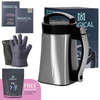
Decarboxylation machines generally provide more consistent, controlled results for herbal infusions, while oven methods offer a simple, accessible approach with more variability. If you prioritize precision and ease, machines tend to outperform; if you value flexibility and already have basic kitchen tools, the oven remains a practical option. Both methods can prepare herbs effectively, but the experience and consistency differ significantly.
Have you ever wondered why some homemade infusions taste balanced and refined while others feel uneven or unpredictable? The answer often comes down to how well your herbs are prepared before steeping or blending.
Let's look into how decarboxylation machines compare with decarboxylation in oven techniques, exploring which method better supports consistency, flavor development, and an enjoyable kitchen process.
Understanding the Transformation Step in Herbal Infusion
Before herbs are ready for tea, butter, or oil, they need a gentle warming step that prepares their natural compounds for blending. Heat helps shift the structure of the plant material so it can release flavor more evenly during infusion.
Without that step, the final result can feel muted or inconsistent.
Timing and temperature both matter here. Too little heat leaves the herbs underprepared, while too much can dull their aroma and taste. That's why many home cooks turn to herbal decarboxylation tools to bring more control into the process.
A reliable decarboxylation process guide can help remove guesswork and improve repeat results. With the right approach, herbs become easier to work with and deliver a smoother, more balanced infusion.
Traditional Approach: Decarboxylation in an oven
The oven method remains a familiar way to prepare herbs using tools already found in most kitchens. It relies on steady, low heat and careful timing to bring out the best qualities in plant material. While it's simple to start, the results can vary based on attention and setup.
- Low-cost and accessible
- Requires active monitoring
- Inconsistent heat control
Low-Cost and Accessible
Many people begin with decarboxylation in oven methods since no special infusion equipment is required. A baking tray and standard oven can handle the process. That makes it an easy entry point for those trying herbal preparation for the first time.
Requires Active Monitoring
Oven use calls for regular checking. Heat can shift during cooking, so timing needs attention. Small temperature changes can affect how evenly herbs warm.
Inconsistent Heat Control
Most ovens don't hold a perfectly steady temperature. Hot spots can develop, which may lead to uneven preparation. That can impact how the herbs perform when added to tea, butter, or oil.
Why Decarboxylation Machines Are Changing Herbal Preparation
Modern tools have shifted how people approach herbal preparation in the kitchen. A decarboxylation machine offers a more controlled way to warm herbs, which helps create repeatable results. Many home cooks prefer these systems for their ease and consistency.
- Consistent temperature control
- Reduced hands-on effort
- Multi-use functionality
Consistent Temperature Control
Decarboxylation machines are built to hold a steady heat level throughout the process. That steady environment helps herbs warm evenly from start to finish. A decarboxylation machine removes much of the guesswork that comes with oven use.
Reduced Hands-on Effort
Once the herbs are placed inside, the machine handles the rest. Timers and preset cycles allow users to step away without constant checking. That makes it easier to focus on other parts of the recipe.
Multi-Use Functionality
Many edible preparation machines serve more than one purpose. Some models can mix, heat, and infuse in a single unit. These cannabis processing devices, when described in a general kitchen sense, act as all-in-one infusion equipment for those who want a streamlined setup.
Key Differences: Oven vs Machine Methods
Choosing between these methods often comes down to how much control and time you want in your kitchen routine. Both options can prepare herbs for infusion, yet the experience and results can feel quite different from one approach to the other.
- Precision and control
- Convenience and effort
- Consistency across batches
Precision and Control
Decarboxylation machines are designed to hold steady heat, which helps create even results. That level of control is harder to achieve with decarboxylation in oven setups, where temperature can shift during use.
Convenience and Effort
Oven methods require more attention from start to finish. You need to check on the herbs and adjust as needed. Machines reduce that workload by handling timing and heat automatically.
Consistency Across Batches
When preparing herbs more than once, consistency becomes a key factor. Machines tend to produce similar results each time. Oven methods can vary, which may affect how well the herbs blend into teas, oils, or other recipes.
Frequently Asked Questions
What Temperature Range Works Best for Preparing Herbs?
Low and steady heat works best for preparing herbs before infusion. Most kitchen methods stay within a gentle range that avoids burning while still allowing the plant material to open up. Consistency matters more than exact numbers, since even heat helps preserve flavor and texture.
Can I Use Other Kitchen Appliances Instead of an Oven or Machine?
Some people try slow cookers or air fryers for herbal preparation. Results can vary since those appliances are not designed for this specific task. A decarboxylation machine offers more control, while standard ovens remain more predictable than most alternatives.
How Do I Store Prepared Herbs Before Infusing Them?
Store prepared herbs in an airtight container to keep them fresh. A cool, dark space helps maintain their quality over time. Avoid moisture and direct light, since both can affect how the herbs perform when added to recipes.
Deciding on Decarboxylation Machines
Decarboxylation machines provide steady results with less effort, while oven methods keep things simple and familiar. The right choice depends on your routine, kitchen setup, and how often you create infused recipes.
At MagicalButter, we make it easy to create smooth, consistent infusions at home. Our tools simplify the process so you can focus on crafting recipes without complicated steps. With durable materials, intuitive controls, and versatile uses, our infusion equipment fits any kitchen.
Get in touch today to find out how we can help with your infusion needs!