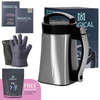
A filter press machine usually performs better than traditional straining methods in terms of efficiency, clarity, and consistency. Traditional straining is simple and inexpensive, but it can struggle with fine particles and larger volumes.
Getting filtration right matters because the method you use can affect texture, flavor, appearance, and even how much usable liquid is left behind. Modern filtration technology now gives home users access to tools such as filter presses that were once mostly used in commercial settings.
This shift aligns with a broader trend: a growing global botanical infusion market projected to reach USD 1.45 billion by 2034, reflecting rising consumer demand for plant-based and herbal products (MarketResearch.com).
If you enjoy making herbal oils, tinctures, or homemade drinks, understanding the difference can help you get better results with less frustration.
This filtration methods comparison explores how both systems work to help you make an informed choice for future projects.
What Is a Filter Press Machine?
A filter press machine applies manual pressure to push liquid through a fine-mesh filter while retaining solids. Home users typically use small-batch filter presses for preparations such as:
- Herbal infusions
- Infused oils
- Infused butter
- Homemade plant-based milks
- Juices
- Botanical extracts
Compared to standard methods, it gives a more refined final product. One of the biggest advantages of a filter press is that it helps recover more usable liquid from herbs and plant material, reducing waste and improving yield.
Unlike larger industrial systems, home filtration tools like this are designed for countertop use in the kitchen. They are typically made from easy-to-clean and durable materials.
How Do Traditional Straining Techniques Work?
These techniques use gravity and simple kitchen tools to separate liquid from solid material. You pour a mixture through a filter, and the liquid slowly passes through while the solids are left behind. Common examples include:
- Cheesecloth or muslin cloth
- Fine mesh strainers
- Coffee filters
- Nut milk bags
- Sieves
These tools are popular because most home cooks already have at least one in their kitchen. However, they often allow tiny particles to pass through into the final liquid, leaving oils, butter, or drinks looking cloudy or gritty. In some cases, you may need to strain the liquid more than once.
Anyone who has waited for cheesecloth to slowly drip knows how long traditional straining can take. Thick mixtures can clog these filters quickly, further slowing the process. A large amount of liquid can also remain trapped in the solids when using cheesecloth or a mesh strainer.
Traditional methods can become messy, especially when working with oils or butter. Wet herbs often stick to cloth filters and strainers, making cleanup more difficult. Some of these filters may also need frequent replacement, which adds:
- Costs
- Resource use
- Upkeep
How to Choose the Right Filtration Method
The best option depends on how often you make infusions and what type of recipes you prepare. Traditional straining can be effective if you:
- Make small batches
- Want a low-cost solution
- Prefer simple kitchen tools
- Only strain thin liquids occasionally
This method works well for basil or mint-infused oils, where plant material is easy to separate, or herb vinegars like rosemary or thyme, where the liquid is relatively easy to filter and clarity is not the main priority.
A filter press machine may be a better option if you:
- Make infusions often
- Want cleaner liquids
- Need faster filtration
- Work with fine herbs
- Want less waste
It is suited for recipes like:
- Lavender or chamomile infusions, where fine plant particles can pass through basic strainers.
- Turmeric or ginger brews, where small fibers and sediment can cloud the liquid.
- Coffee or cacao infusions, where a smoother texture is preferred.
- Herbal tinctures or concentrated syrups, where clarity and consistency are important.
Many home users start with traditional methods and switch later when their needs change or they want more control over the results.
Frequently Asked Questions
What Should You Consider Before Buying a Home Filter Press?
Make sure it fits the type of infusions you plan to make and the batch sizes you usually work with. It should be heat-resistant, easy to clean (dishwasher safe is even better), and suitable for regular kitchen use without creating unnecessary hassle.
It is also a good idea to choose one with a warranty, as this can provide extra peace of mind about its durability.
What Should Not Be Used in a Filter Press?
A home filter press should only be used with liquids and plant mixtures intended for culinary or infusion purposes. Anything outside the manufacturer's guidance, or anything too thick, too hot, or too solid, can cause clogging or poor performance.
How Long Should You Let an Infusion Sit Before Filtering It?
Most people filter an infusion once it reaches the full steeping time. This allows the plant material enough time to release its flavor into the liquid before you separate it. Filtering too early can produce a weaker infusion.
Can You Filter the Same Batch More Than Once?
Yes, you can filter a batch more than once if you want a clearer final liquid. Each pass removes finer particles that may have passed through the first time.
Keep in mind that repeated filtration through materials like cloth or paper may slightly reduce the total yield, as some liquid can be absorbed or retained by the filter material.
Does Filtering Change the Strength of an Infusion?
No. The strength is determined during the steeping process, not during filtering. It only removes solid plant material from the liquid.
Is a Filter Press Machine Better Than Traditional Straining?
A modern filter press machine generally surpasses traditional straining in effectiveness. Efficient filter press usage improves clarity while reducing waste and processing time. Traditional straining remains useful for simple, low-volume tasks, but it can be slower and less effective with certain materials.
MagicalButter offers a range of tools that simplify the process of making oils, butter, and herbal extracts. Our home filter press is designed to fit standard and wide-mouth mason jars, and the stainless steel screen makes straining quick and stress-free. Explore our products today and upgrade your home infusion game with easier, cleaner results.