To decarb herb at home, spread coarsely broken material in a single layer on parchment and bake at 220-245°F for 30-60 minutes, stirring once at the midpoint. This converts inactive compounds into their active forms, making your herb ready for infusions, edibles, and tinctures. A golden color shift and dry, crumbly texture confirm the process is complete.
Most batches that disappoint trace back to one avoidable moment: a temperature that ran too hot, a tray packed too thick, or a cool-down skipped entirely. These are consistent, repeatable mistakes that happen to home cooks who have never received a clear answer on how to decarb herb correctly. This guide lays out the right methods, the timing that actually works, and the specific mistakes that silently drain potency before a single infusion begins.
What Is the Best Method for Decarbing Herb?
Decarboxylation converts inactive compounds in herbs into their active forms. The right method depends on your tools, your herb type, and how much control you want over the process.
The Oven Method: Simple and Accessible
The oven method is the most common approach for home cooks, and for good reason. It works with equipment most people already have. You set the temperature, spread your herb, and monitor the time.
Home ovens can, quite often, run hot or cold by more than you'd expect, so picking up an oven thermometer before your first batch is a step worth taking.
Here is how to run a basic oven decarb:
- Preheat your oven to between 220 and 245°F for consistent activation
- Break the herb into coarse pieces and spread in a single, even layer on parchment
- Bake for 30 to 60 minutes, depending on your target temperature and goals
- Stir gently at the midpoint, so heat reaches all parts of the material
Dedicated Devices: Precision Without the Guesswork
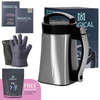
Purpose-built decarb tools take a lot of uncertainty out of the process. Devices like the Magical Decarb Box use automated temperature control in a sealed, airtight environment, which means significantly more consistent results and far less odor than an open oven tray.
For anyone who decarbs regularly, that kind of reliability is very hard to pass up.
How to Decarb Herb at Home?
Getting the process right at home is more than just setting a timer and walking away. Each stage (preparation, heating, and cooling) affects the quality of your final product, and naturally, each one deserves the same level of care.
Preparing Your Herb Before You Begin
Start by breaking your herb into coarse, even pieces. Fine powder scorches more easily and is, frankly, harder to work with at this stage; save finer grinding for after the decarb is complete.
This decarbing tutorial inspiration applies whether you are running your first batch or your fiftieth: coarse and consistent tends to produce better results every time.
Temperature, Time, and What to Watch For
Keep your oven in the 220-245°F range throughout the process. Color is one of your most useful guides; a shift from bright green to light golden or tan signals the herb is nearly done. A dry, crumbly texture is the other reliable indicator, and both tend to appear at about the same point in the cycle.
Cooling Before Moving On
Always let your herb cool fully before you store or infuse it. Skipping this step introduces moisture that can affect both texture and shelf life pretty significantly. For now, keep your cooled herb in an airtight container away from light and heat until you are ready to move on.
Tips for Maximizing Potency and Flavor
Good results start with good habits. This herb decarboxylation tips guide covers the most practical adjustments home cooks can make, and really, these are simpler to apply than most people expect.
Start With Fresh, Quality Material
Fresh herb delivers better flavor and more consistent activation than older or overly dry material. Old inputs tend to produce duller results, pretty much no matter how carefully you manage the temperature and timing.
One Gentle Stir at the Midpoint
Stirring once partway through redistributes heat and prevents uneven activation. Parts of the herb in close contact with the tray for the full cycle can over-activate, and other parts may finish under-activated; one stir more or less solves both problems at once.
Timing Is a Dial, Not a Switch
Shorter cycles tend to preserve more of the herb's natural aroma. Longer sessions at stable temperatures can support fuller activation; in other words, the right timing depends on your specific goal. A slight adjustment in either direction can shift the final product noticeably.
Protect the Finished Product
Many people overlook storage after decarbing, yet it plays a real role in preserving what you just worked for. Here are some practical storage options to keep your herb fresh until you are ready to use it:
- Store in glass airtight containers to prevent air exposure and moisture buildup
- Keep away from direct light to slow any degradation of active compounds
- Avoid plastic bags, which can allow subtle air exchange over time
- Label with the date so you always know how long it has been stored
Common Mistakes to Avoid
A lot of batch problems are completely preventable. With common decarbing mistakes explained clearly, you can actually sidestep the issues that most beginners run into on their own.
Running the temperature too high is one of the most frequent errors. High heat degrades the compounds you are trying to activate and produces a somewhat bitter, less effective product. Packing herb too thickly on the tray is similarly problematic; clumps block heat from reaching the center of the material.
Grinding too finely before decarbing is another common issue. Fine powder burns faster and produces uneven results.
Skipping an oven thermometer is, honestly, a risk most people underestimate; household ovens often run 10 to 25 degrees off from what the dial shows, and that gap is usually enough to throw off an otherwise solid batch.
From Decarb to Infusion
Once your herb is properly decarbed and cooled, it's ready to be combined with a base. This herbal infusion preparation guide naturally continues from decarb into the next step; oils, tinctures, and butters all work well with properly prepared herb.
The decarb sets the foundation, and from there, a consistent infusion process is what turns that preparation into a reliable final product. Automated infusion tools typically handle temperature and timing at this stage, taking most of the guesswork out of the process.
Frequently Asked Questions
Can You Decarb Herb in a Mason Jar Instead of an Open Tray?
Yes, placing your herb in a sealed mason jar and setting that jar in a preheated oven is a popular low-odor option. The jar traps volatile compounds that would just escape on an open tray, which some home cooks find improves overall flavor in the finished product. Use the same temperature range and timing, handle the hot jar carefully, and allow any pressure to release slowly before opening it.
Does the Type of Herb Affect How Long Decarboxylation Takes?
It can. Moisture content, density, and the specific compounds in each herb all influence how long the process takes. Denser or slightly moister material may need a few extra minutes, and very dry herb can reach the desired point more quickly.
Visual cues, like color shift and texture change, tend to be just as reliable as the clock in these situations.
Can You Decarb Herb More Than Once?
Re-decarbing already activated herb typically does not improve potency and can degrade both flavor and effectiveness. If the first decarb was done correctly, repeating the process is unlikely to offer any benefit. The better approach is to dial in your method the first time rather than trying to recover results afterward.
How Do You Know When Decarboxylation Is Actually Done?
Two indicators are most reliable: color and texture. Fully decarbed herb shifts from bright green to a muted golden or light tan, and the material becomes dry and crumbly rather than springy. A slightly toasted, nutty aroma tends to accompany the process as well.
If the material still looks bright green or feels damp after the full cycle, it may need a few more minutes.
Is It Safe to Decarb Herb Indoors?
Decarbing indoors is safe when you have proper ventilation. The process releases noticeable aromas, so using an exhaust fan, cracking a window, or choosing an airtight device helps manage odor.
There are no significant fume risks at the temperatures used for herb decarboxylation, but good airflow is still a practical choice regardless of your setup.
Your Next Batch Starts Here
Proper decarboxylation sets the foundation for every infusion, edible, and tincture you make. The right temperature, a single stir, and a full cool-down are the difference between a potent result and a wasted batch. Skipping or rushing any of those steps costs you flavor and effectiveness that no infusion technique can recover.
Learning how to decarb herb correctly is only half the process; what comes next matters just as much. Magical makes both sides reliable.
The DecarBox handles decarboxylation in an airtight, odor-contained environment; no oven thermometer guesswork required. The MagicalButter MB2e then automates infusion with precise temperature control and consistent timing, producing clean results across butters, oils, and tinctures. Explore Magical's bundles and give every batch the setup it deserves.