You can create consistent, delicious DIY gummies at home by following clear culinary steps, using reliable equipment like the MB2E for even infusions, and experimenting with simple flavor building blocks.
The kitchen is the heart of the home, but what if your pantry could become a small-batch candy lab?
For cooks who love texture and flavor, DIY gummies offer a playful way to turn fruit, herbal syrups, and pantry extracts into shelf-stable treats.
At MagicalButter, we believe great results begin with a clear process and dependable equipment. When we focus on balanced flavor, accurate measurements, and steady temperatures, homemade batches become both creative and consistent.
Whether you are exploring homemade gummy recipes for fun or refining a signature treat to share, the path to success starts with mastering the fundamentals of texture and infusion.
What Should I Infuse to Make Gummies?
🍬 Ready to Make Your Own Gummies?
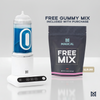
Get perfect texture and delicious flavor every time with our premium gummy mixes.
Shop All Gummy Mixes →Choosing what to infuse starts with flavor intention. Fruit juices, concentrated herbal syrups, tea reductions, and spice-steeped simple syrups all make excellent bases for infused gummy making.
Balance is key. Tart fruits often benefit from gentle sweetness, while floral or herb-forward infusions shine with a hint of citrus brightness. Always strain thoroughly for a smooth, clear finish.
When building custom gummy flavors, think in layers. A primary fruit note, a complementary herbal tone, and a subtle acidic lift create complexity without overpowering the palate.
What's the Secret to Perfect Homemade Gummies?
The secret lies in temperature control and ratio precision. Gelatin, pectin, and agar each behave differently, and understanding their structure is essential to mastering how to make gummies.
Gelatin produces a classic chew, while pectin offers a softer bite with a jam-like finish. Agar works well for plant-based alternatives but requires higher heat to activate properly.
Accurate measurement ensures repeatable results. When we maintain steady heat and avoid overcooking, texture becomes predictable and reliable.
DIY Gummies: Tools and Ingredients
Successful DIY edible gummies begin with a streamlined toolkit. A saucepan, whisk, measuring scale, silicone molds, and a fine-mesh strainer create a strong foundation.
Quality ingredients matter just as much. Fresh juice, natural sweeteners, your chosen gelling agent, and optional flavor extracts form the base of most homemade gummy recipes.
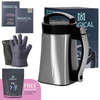
For consistent infusion and temperature stability, we rely on our MB2E and gummy making products. They simplify the process, reduce guesswork, and help ensure every batch meets the same high standard.
Step-by-Step: How to Make Gummies
Making consistent DIY gummies starts with preparation. When we organize ingredients in advance and control temperature carefully, the process becomes smooth and predictable.
Begin with your base.
- Prepare and thoroughly strain your infusion or juice
- Measure every ingredient precisely before applying heat
Next, focus on building structure and sweetness.
- Bloom gelatin in cool liquid for five to ten minutes
- Warm the remaining liquid with sweetener over low heat
- Avoid boiling when using gelatin to protect texture
Once the base is ready, bring everything together.
- Whisk bloomed gelatin into the warm mixture until fully dissolved
- Add citrus or acidity at the very end
- Pour evenly into silicone molds
Finish with proper setting and storage.
- Chill until fully set and firm to the touch
- Unmold carefully and store in an airtight container
By breaking the process into stages, understanding how to make gummies becomes clear, manageable, and repeatable for every batch.
Creating Custom Gummy Flavors
Flavor creativity sets DIY gummies apart from store-bought options. Try blending mango with lime zest or strawberry with fresh basil for refined, layered notes.
Layering colors and flavors in stages can create visually striking results. Keep notes on ratios and temperatures to refine future batches.
When we experiment thoughtfully, infused gummy making becomes a repeatable craft rather than a guessing game.
Troubleshooting and Refinement
If gummies turn out too soft, slightly increase the gelling agent next time. If they are too firm, reduce the gel or sweetener ratio.
Cloudiness often results from unstrained solids or overheating. Gentle mixing and proper filtration improve clarity and texture.
Consistency improves when tools regulate temperature accurately. That is where structured systems and standardized equipment truly make a difference.
Storage and Presentation Tips
Presentation and storage play a major role in preserving your DIY edible gummies. Proper handling keeps the texture intact while showcasing your custom gummy flavors attractively.
- Allow gummies to air-dry slightly before storing to reduce surface moisture
- Store in airtight glass containers rather than plastic for freshness
- Separate layers with parchment paper to prevent sticking
- Keep in a cool, dry cupboard away from sunlight
- Label batches with flavor and date for easy tracking
- Package in small gift boxes or jars for a polished presentation
With intentional storage and display, your DIY gummies remain fresh, consistent, and ready to share.
Frequently Asked Questions
Making DIY gummies often raises practical kitchen questions. Below are concise answers designed to help you troubleshoot and refine your process with confidence.
How Long Do Homemade Gummies Last?
Properly stored in an airtight container, gummies typically last one to two weeks at room temperature. Refrigeration may extend freshness slightly.
Can I Make Vegan Gummies?
Yes. Agar or specific pectin blends work well for plant-based DIY edible gummies. Be mindful that texture and heating requirements will differ from gelatin.
What Mold Works Best?
Silicone molds with uniform cavities produce the most consistent results. Even depth ensures a uniform setting.
How Do I Prevent Stickiness?
Lightly coating finished gummies with fine sugar or cornstarch can help reduce sticking. Store them in a cool, dry place.
Are There Simple Homemade Gummy Recipes for Beginners?
Start with a single fruit juice and gelatin base to master texture. Once comfortable, expand into layered infusions and custom gummy flavors.
Elevate Your Culinary Skills With MagicalButter
DIY gummies combine creativity with careful technique, turning simple ingredients into polished, shareable treats. When we approach the process with accurate measurements, steady temperatures, and thoughtfully prepared infusions, results become consistent rather than accidental.
That consistency is what transforms homemade gummy recipes from a weekend experiment into a dependable culinary skill.
At MagicalButter, we design our MB2E and gummy making products to remove guesswork and simplify infused gummy making from start to finish. Our systems help streamline preparation, improve clarity, and standardize texture so every batch of DIY gummies reflects your intended flavor and finish.
Refine your craft by exploring our tools, and start creating your next signature batch today.