Making great tea at home comes down to choosing balanced ingredients, measuring carefully, and steeping with intention. With a few repeatable tea-making techniques, you can build custom flavors, control strength, and create blends that match your taste and routine. Learning how to make your own tea turns a simple drink into a dependable kitchen ritual that delivers consistent, aromatic results.
Have you ever brewed tea that tasted flat, bitter, or inconsistent from cup to cup? Let's look into ingredient pairing, precise steeping, and flavorful home tea brewing methods that help you create blends with confidence.
Understanding Tea Foundations and Flavor Building
Great tea starts with knowing how ingredients shape flavor. Each leaf, herb, and spice brings its own character to the cup.
A clear foundation helps you build blends that taste balanced and intentional. Strong tea brewing tips focus on selecting ingredients that work together, not compete.
There are three elements that define a satisfying blend:
- Tea bases and herbal infusions
- Flavor balance and layering
- Ingredient freshness and preparation
Tea Bases and Herbal Infusions
Traditional tea leaves create structure and body. Herbal infusions add aroma and softness. Black and green teas offer depth, while caffeine-free herbs lean gentle and floral.
Mixing both opens the door to custom tea blends that feel complete. Homemade tea recipes often pair a bold base with lighter herbs to keep the flavor steady from the first sip to the last.
Flavor Balance and Layering
A strong blend combines bright, earthy, floral, and spicy notes in small amounts. Citrus peel lifts heavier flavors. Roots and bark add warmth.
Flowers soften sharp edges. Layering ingredients with care keeps one note from taking over. Flavorful home tea brewing depends on restraint and contrast, not quantity.
Ingredient Freshness and Preparation
Fresh ingredients smell lively and clean. Dried herbs should still carry color and fragrance.
Crushing spices right before brewing releases better flavor. Careful prep supports reliable tea-making techniques and keeps every batch consistent.
Essential Tools
A sturdy kettle and a heat-safe container give you control over temperature. Glass and stainless steel hold heat well and don't interfere with flavor.
Stable materials support careful tea-making techniques and protect delicate ingredients from scorching. A dedicated brewing vessel keeps aromas pure and prevents leftover kitchen smells from drifting into your cup.
Measuring and Timing Tools
Consistent tea relies on accurate ratios. A small-scale or measuring spoon keeps blends balanced.
A timer prevents oversteeping, which can dull bright notes. Clear timing habits improve tea brewing tips and help each batch taste familiar.
Straining and Finishing Tools
A fine mesh strainer catches loose herbs and spices without trapping liquid. Clean filtration improves texture and appearance. Thoughtful finishing steps support flavorful home tea brewing and create a polished final pour.
How To Make Your Own Tea: A Step-by-Step Kitchen Ritual
A repeatable method turns tea from guesswork into a dependable kitchen habit. A simple ritual rests on a few focused actions:
- Preparing ingredients with care
- Measuring and heating with precision
- Steeping and finishing intentionally
Preparing Ingredients With Care
Start with clean, dry ingredients that smell fresh. Break large herbs into smaller pieces so water can reach more surface area.
Gentle handling protects delicate flowers and leaves. Thoughtful prep improves tea-making techniques and keeps flavors bright. Small adjustments at this stage shape the final cup more than most people expect.
Measuring and Heating With Precision
Accurate ratios guide balanced flavor. Use the same spoon or scale for each batch to build consistency.
Heat water until it's hot but not violently boiling. Extreme heat can flatten subtle notes. Controlled temperature supports flavorful home tea brewing and keeps blends smooth.
Steeping and Finishing Intentionally
Pour water slowly over the blend and let it rest undisturbed. Steeping time changes intensity, so track minutes closely.
Strain carefully to catch fine particles. Taste before serving and adjust sweetness or garnish with restraint. Careful finishing defines how to make your own tea with clarity and control.
Crafting Signature Blends for Mood and Season
Personal blends give tea a sense of identity. Flavor can shift with weather, time of day, and personal preference. Small changes in ingredients create new experiences without changing the brewing method.
A memorable blend often reflects a few guiding ideas:
- Seasonal ingredient themes
- Mood-driven flavor choices
- Creative kitchen experimentation
Seasonal Ingredient Themes
Seasonal ingredients carry natural rhythm into your cup. Warm spices and dried fruit suit colder months. Bright herbs and citrus peels feel lighter in warm weather.
Custom tea blends inspired by the season tend to taste more satisfying. Ingredients that match the climate often smell fresher and blend more smoothly.
Mood-Driven Flavor Choices
Tea can match quiet mornings or lively afternoons. Floral notes feel soft and calming. Ginger and roots bring energy and warmth.
Homemade tea recipes built around mood help you create intention in daily routines. Flavor becomes part of how you shape the moment.
Creative Kitchen Experimentation
Your pantry holds more options than expected. Toasted spices, fresh herbs, and dried fruit scraps can all find a place in a blend.
Flavorful home tea brewing grows from curiosity and repetition. Keeping notes on successful mixes helps refine future cups and encourages playful exploration.
Frequently Asked Questions
How Do I Store Homemade Tea Blends for Freshness?
Proper storage protects aroma and color. Keep blends in airtight glass jars away from heat and sunlight. Moisture weakens dried herbs quickly, so choose a dry cabinet.
Labeling jars with dates helps track quality. Most dried blends hold strong flavor for six months when stored carefully.
Can I Use Fresh Herbs Instead of Dried Ones?
Fresh herbs bring a bright aroma and higher water content. You'll need larger quantities to match the strength of dried ingredients.
Rinse gently and pat dry before brewing. Seasonal herbs often taste more vibrant, which adds personality to a blend and encourages experimentation in the kitchen.
The Power of Infused Tea
Learning how to make your own tea builds confidence in the kitchen and invites daily creativity.
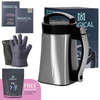
At Magic Butter, we created our infusion tools to make kitchen creativity simple and reliable. Our system blends herbs, spices, and botanicals with push-button ease, using durable materials built for clean, consistent results.
Get in touch today to find out how we can help make your day more relaxing and enjoyable!