Decarboxylation is a "crucial process" that transforms inactive compounds in herbs into their active forms, significantly enhancing their therapeutic properties. This article will explain the science behind decarboxylation and its importance for activating herbs that are often used in cooking and medicinal practices. Readers will learn about the chemical changes that occur during this process, how to decarb various herbs at home, and the best temperatures and techniques for optimal results. Understanding this process will empower you to make more effective herbal edibles and oils, and help you maximize the benefits of your herbal preparations.
Effective activation of herb compounds hinges on the method of decarboxylation, which ensures that the beneficial properties of herbs are fully realized. Beginning with a solid grounding in the decarboxylation process, this guide covers practical techniques and highlights why precision is essential for producing potent herbal infusions and edibles.
What is Decarboxylation and Why is it Essential for Herbal Activation?
Decarboxylation is a chemical process that removes a carboxyl group from a compound, releasing carbon dioxide in the process. This transformation is crucial, as it converts inactive acidic compounds into their active forms, allowing for enhanced bioavailability and therapeutic effects. For example, the conversion of tetrahydrocannabinolic acid (THCA) into tetrahydrocannabinol (THC) exemplifies the importance of this process for cannabis users, as THC is the psychoactive component that induces euphoria and pain relief.
When herbs undergo decarboxylation, their taste, aroma, and potency can significantly change. This is important for many culinary applications, as the activation of specific compounds can amplify flavors and therapeutic benefits, making herbal preparations more effective and enjoyable.
How Does the Decarboxylation Process Activate Cannabis and Other Herbs?
The decarboxylation process activates key compounds in cannabis and various herbs, with significant implications for their use in cooking and medicine. For instance, in cannabis, the conversion of "THCA to THC" is responsible for the psychoactive effects that users seek. This transformation allows the compound to interact more effectively with the cannabinoid receptors in the brain, enhancing both its therapeutic and euphoric properties.
In addition to cannabis, other herbs also contain inactive compounds that require activation through decarboxylation. For example, compounds found in certain culinary herbs like thyme and mint benefit from this process, resulting in enhanced flavors and potential health benefits for consumers.
What Changes Occur in Herbs During Decarboxylation?
During decarboxylation, the chemical structure of herbs changes as carbon dioxide is expelled, leading to the release of various compounds. This process activates the bioactive compounds, altering their solubility and bioavailability. For instance, the release of terpenes and flavonoids during decarboxylation enhances the overall potency and flavor profile of the herb, making it more effective when used in infusions or edibles.
The chemical reactions involved also highlight the importance of temperature and duration during the decarboxylation process. Different herbs require specific conditions to achieve optimal activation, ensuring the full potential of their therapeutic properties is realized.
How to Decarb Cannabis at Home: Step-by-Step Temperature and Time Guide

To decarb cannabis effectively at home, follow these simple steps:
-
Gather Your Supplies: You'll need your cannabis, an oven, a baking tray, parchment paper, and an oven thermometer for accurate temperature readings.
-
Preheat Your Oven: Set the oven to 240°F (approximately 115°C) and allow it to stabilize at this temperature.
-
Prepare the Cannabis: Spread the cannabis evenly on the baking tray lined with parchment paper.
-
Bake the Cannabis: Place the tray in the oven and let it bake for 30-40 minutes. When it's done, the cannabis should turn a light brown color and feel dry to the touch.
-
Cool and Store: Allow the decarbed cannabis to cool before storing it in an airtight container to preserve its potency.
This method effectively transforms the THCA into THC, maximizing the psychoactive and therapeutic effects of your cannabis.
What is the Best Decarb Temperature and Time for Different Herbs?
Different herbs require specific decarboxylation temperatures and times to achieve optimal activation. Below is a brief guide to recommended temperatures and durations for some common herbs:
|
Herb |
Ideal Temperature |
Time |
|
Cannabis |
240°F (115°C) |
30-40 minutes |
|
Thyme |
220°F (104°C) |
2 hours |
|
Rosemary |
200°F (93°C) |
45 minutes |
|
Mint |
200°F (93°C) |
30-45 minutes |
Ensuring the right combination of heat and time is essential in maximizing the potential of herbal activations, increasing both flavor and effectiveness.
Can You Decarb Without an Oven? What Are Alternative Methods?
Yes, there are several alternative methods for decarboxylating herbs without using an oven, allowing for flexibility depending on your resources. Here are a few notable methods:
-
Sous Vide Method: This technique involves sealing herbs in a vacuum bag and immersing them in a water bath at a controlled temperature (typically around 190°F) for a few hours. This method allows for precise temperature control, ensuring an ideal environment for decarboxylation.
-
Slow Cooking: Using a slow cooker can also effectively decarb herbs over an extended period at low temperatures while preserving the flavor and active compounds.
-
Chemical Decarb: Some studies suggest that citric acid can facilitate the decarboxylation process without traditional heat methods.
Each method has its benefits and can be utilized based on personal preferences and available resources.
How Decarboxylation Improves Herbal Infusion: Enhancing Potency and Flavor
Decarboxylation significantly enhances the potency and flavor of herbal infusions. This activation process allows the therapeutic compounds of herbs to become more bioavailable, ensuring that consumers receive maximum benefits from their herbal preparations.
When herbs are decarbed before infusion, the extraction of flavors becomes more profound, resulting in a more aromatic and pleasant drink or culinary preparation. The enhanced flavor profile makes the infusion not only effective in delivering therapeutic benefits but also more enjoyable to consume.
Why Does Activated Herb Make More Effective Edibles and Oils?
Activated herbs produce more effective edibles and oils due to the conversion of inactive compounds into active forms through decarboxylation. This process ensures that when herbs are infused into oils or incorporated into recipes, the resulting products contain active compounds that contribute to their desired effects.
The increased bioavailability of compounds like THC or CBD ensures more potent experiences, better flavors, and an overall enhanced efficacy in therapeutic applications.
What Role Does Precise Temperature Control Play in Preserving Terpenes?
Precise temperature control during the decarboxylation process is vital for preserving the delicate terpenes found in herbs. Terpenes are responsible for the distinct flavors and aromas of herbs, and they can be lost if temperatures exceed certain thresholds.
To preserve these essential oils, it is crucial to monitor the decarboxylation process and conduct decarboxylation at lower temperatures. This practice not only protects the flavor profile of the herbs but also ensures that their synergistic properties remain intact, maximizing their overall effectiveness.
Which Tools and Devices Facilitate Efficient Decarboxylation and Infusion?

Several tools and devices can assist in the decarboxylation and infusion processes, enhancing ease and efficiency. Notable options include:
-
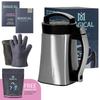
MagicalButter Machine: This machine simplifies both decarboxylation and infusion, providing precise temperature controls and automated processes for high-quality herbal preparations. Using this device can combine the benefits of both methods effectively and efficiently.
-
Decarb Box: A "decarb box" with a thermometer allows for accurate tracking of temperature, ensuring the ideal conditions for decarboxylation.
-
Oven Thermometer: If using a conventional oven, an oven thermometer can measure actual temperatures, ensuring consistent and controlled heat.
Employing these tools can significantly reduce the complexity of creating effective herbal preparations, making the process accessible for beginners and experienced users alike.