To cure gummies, unmold them, spread them in a single layer on parchment paper or a rack, and let them air-dry in a cool, low-humidity room for about 24 to 72 hours, flipping them every 12 hours. They are ready when the surface turns matte and slightly tacky-firm, and the gummy feels springy instead of wet. Humidity, gummy size and your base (gelatin or pectin) change the timing, so use touch and sight as your guide, not just the clock.

Key Takeaways
🍬 Ready to Make Your Own Gummies?
Get perfect texture and delicious flavor every time with our premium gummy mixes.
Shop All Gummy Mixes →- Curing is controlled drying. It removes surface and excess moisture so gummies hold their shape and chew.
- Most gelatin gummies need roughly 24 to 72 hours. Large molds and humid rooms take longer.
- Aim for a cool, dry, well-ventilated space, ideally below about 50% relative humidity. A cheap temperature and humidity gauge takes out the guesswork.
- Sticky or weepy gummies are usually under-dried or sitting in humid air. Both are fixable.
- A consistent cook at the start, with even heat and stirring, makes curing far easier.
What Does It Mean to Cure Gummies?
Curing means letting freshly set gummies lose a little moisture slowly, so the texture firms up from the outside in. Right out of the mold, a gummy is soft and can feel wet. As it dries, the surface tightens, the chew improves and the gummy becomes more stable for storage.
You will also see gummies "sweat" or "weep." This is normal. Moisture migrates to the surface as the gel settles (food scientists call it syneresis). Curing is how you manage it instead of fighting it.
What You Need to Cure Gummies
You do not need special equipment, but a few items make results repeatable:
- A consistent base batch. Uneven heating while you cook leads to uneven texture later. The Magical Gummy Maker has built-in heating and automatic stirring, so every batch starts from the same smooth, lump-free base.
- Quality gummy mix. A pre-balanced formula takes the guesswork out of ratios. Browse our gummy mixes, including premium sugar-free Cherry and Blue Raspberry.
- Molds you can unmold cleanly. See our molds and trays.
- Parchment paper or a wire rack, so air reaches every side.
- A temperature and humidity gauge to check the room where the gummies dry.
- An airtight container for storage once curing is done.

How to Cure Gummies: Step by Step
- Make a smooth base. Cook your mix with even heat and steady stirring. If your recipe uses infused ingredients, make sure they are properly decarboxylated first. Our decarboxylation guide shows how.
- Let the gummies set fully in the mold. Do not rush this step. Demolding a half-set gummy tears it and traps extra moisture.
- Unmold and space them out. Lay the gummies in a single layer on parchment or a rack, with a little space between each piece.
- Choose a good spot. Pick a cool, dry, ventilated room away from the stove, dishwasher, bathroom and direct sun.
- Flip every 12 hours. Turning the gummies dries both sides evenly and keeps the bottoms from staying wet.
- Check by sight and touch. The surface should go from glossy to matte, and the gummy should feel firm and springy. If it still feels wet or leaves a sticky film on your finger, keep drying.
- Store once ready. Move cured gummies into an airtight container (details below).
How long should gummies cure?
Plan on about 24 to 72 hours for most gelatin gummies. Small pieces in dry air can be ready sooner. Large molds, thick pieces or humid weather can take longer. Pectin-based gummies tend to set firmer and usually need less drying, so follow the timing in your recipe. When in doubt, test one gummy before you pack the whole batch.
Can you speed up curing with a dehydrator or fan?
Yes, with care. A gentle fan moving air across the tray helps in humid kitchens. A food dehydrator on its lowest setting (around 100°F) can shorten drying, but high heat can toughen or distort gummies and degrade sensitive ingredients, so keep it low and check often.
Best Humidity and Temperature for Curing
Cool, dry and airy is the goal. Try to stay under about 50% relative humidity, and treat anything above roughly 60% as a danger zone where gummies stay tacky and may sweat or spoil. If your home runs humid, use a dehumidifier, an air-conditioned room or a fan to bring conditions down. Your gauge will tell you whether the room is actually doing its job.
How to Fix Sticky or Weepy Gummies
Sticky gummies are rarely a ruined recipe. Use this table to diagnose the problem:
|
Problem |
Likely cause |
Fix |
|---|---|---|
|
Sticky or wet surface |
Not dried long enough |
Spread out in a single layer and keep drying, flipping every 12 hours |
|
Sweating or beading after packing |
Packed while still too moist |
Unpack, re-dry until matte, then store with parchment between layers |
|
Gummies stuck together |
Stored touching, or humid air |
Re-dry, then coat lightly (see tip below) and separate layers |
|
Too hard or tough |
Dried too long or too hot |
Next time shorten drying and skip the dehydrator heat |
|
Cloudy or uneven texture |
Uneven heat or stirring during the cook |
Use steady, controlled heat and mixing for the next batch |
|
Fuzzy spots or off smell |
Mold from too much moisture |
Throw the batch away. Do not eat it |
Coating tip: A light dusting of sugar or citric acid sugar can reduce stickiness and add a sour kick, but coatings can pull moisture from humid air. Coat only after the gummies are fully cured, and keep them dry.

Sugar-Free Gummies Behave Differently
Sugar-free gummies can dry and feel different from sugar-based ones, and some stay softer or sweat more easily in humid air. Sugar coatings do not apply either. Dry them in a low-humidity space, check them often, and store them with extra care. Our premium sugar-free Cherry and Blue Raspberry mixes are formulated for this, so follow the directions on the pack.
How to Store Cured Gummies
- Use an airtight container and place parchment between layers.
- Keep it in a cool, dark, dry place.
- For longer storage, the refrigerator helps, but let the container reach room temperature before opening to avoid condensation.
- Homemade gummies have no commercial preservatives, so plan to use them within a couple of weeks at room temperature, and check every batch before eating.
- Label every container clearly and keep infused gummies away from children and pets.
Making infused gummies? Use our Dosage Calculator to plan consistent, measured servings. Always follow the laws where you live.
Set Yourself Up for Perfect Gummies
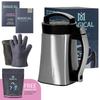
A great cure starts with a great base. The Magical Gummy Maker heats and stirs automatically, and gummies set in about 30 minutes, so you can move quickly to the curing stage with a consistent texture every time. If you want everything in one box, the Yummy Gummy Premium Bundle includes the Gummy Maker, Premium Cherry and Blue Raspberry mixes, and gummy molds. Or explore all our gummy mixes and pick your first flavor.
FAQ
How long does it take to cure gummies?
Most gelatin gummies take about 24 to 72 hours of air-drying at room temperature. Size, humidity and the gummy base all change the timing, so check texture, not just the clock.
What humidity is best for curing gummies?
Keep the drying space cool and dry, ideally below about 50% relative humidity. Above roughly 60%, gummies tend to stay sticky and can sweat or spoil.
Why are my gummies sticky after drying?
They usually still hold too much moisture, or the room is too humid. Spread them in a single layer, flip them every 12 hours and keep drying in a low-humidity space until the surface turns matte.
Why do gummies sweat or weep?
Moisture moves to the surface as the gel settles, which is normal. It becomes a problem when gummies are packed too early or stored in humid air. Proper curing and airtight storage prevent it.
Do I need a dehydrator to cure gummies?
No. Air-drying on parchment or a rack works well. A dehydrator on its lowest setting or a small fan can help in humid climates, but avoid high heat.
Can I cure sugar-free gummies the same way?
Mostly yes, but they can behave differently and may stay softer or sweat more. Dry them in low humidity, check them often and store them carefully.
How do I know my gummies are done curing?
The surface turns matte instead of glossy, and the gummy feels firm and springy with no wet film on your fingers. Test one before you pack the batch.
How should I store cured gummies?
Use an airtight container with parchment between layers, in a cool, dark, dry place. Refrigerate for longer storage, and keep infused gummies out of reach of children and pets.
Curing is the quiet step that separates sticky, sweaty gummies from clean, chewy ones. Start with a consistent base, unmold carefully, dry in low humidity, flip often and store airtight. Do that, and every batch gets easier. Ready to make your next batch? Get the Magical Gummy Maker and a flavor of gummy mix and start making gummies you will be proud of.